

The discovery of immunosuppressive (anti-rejection) drugs has made possible life-saving organ transplantation procedures. While these drugs prevent or delay organ rejection, transplanted organs often ultimately fail, and about 40% survive for no more than 5 years1. Furthermore, immune suppression leads to significant undesirable side effects such as increased susceptibility to life-threatening infections and cancers because it is not specifically targeted towards the transplanted organs; rather, it indiscriminately and broadly suppresses immune function throughout the body.
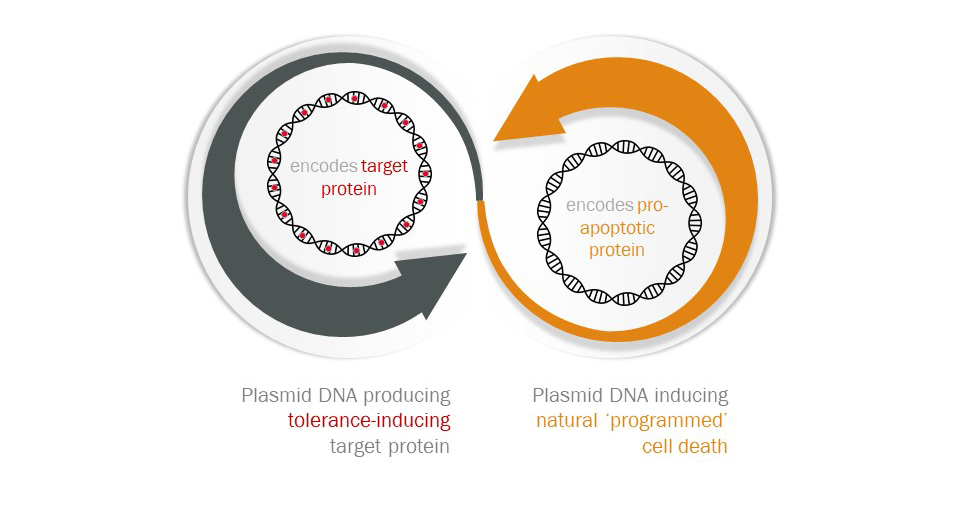
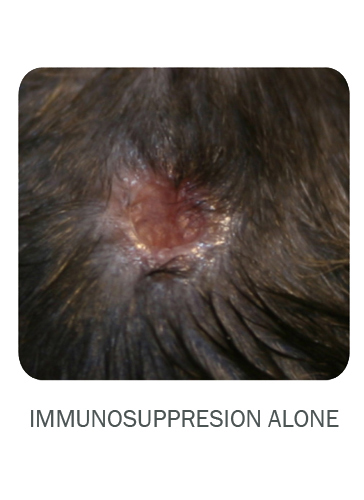
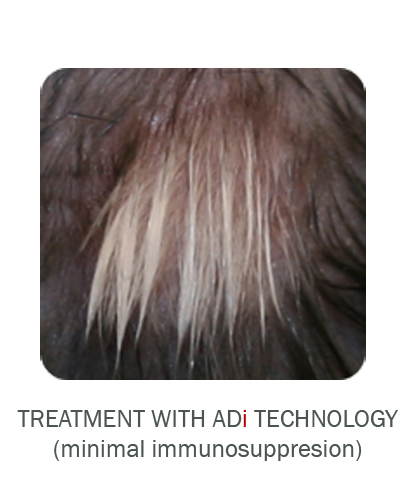
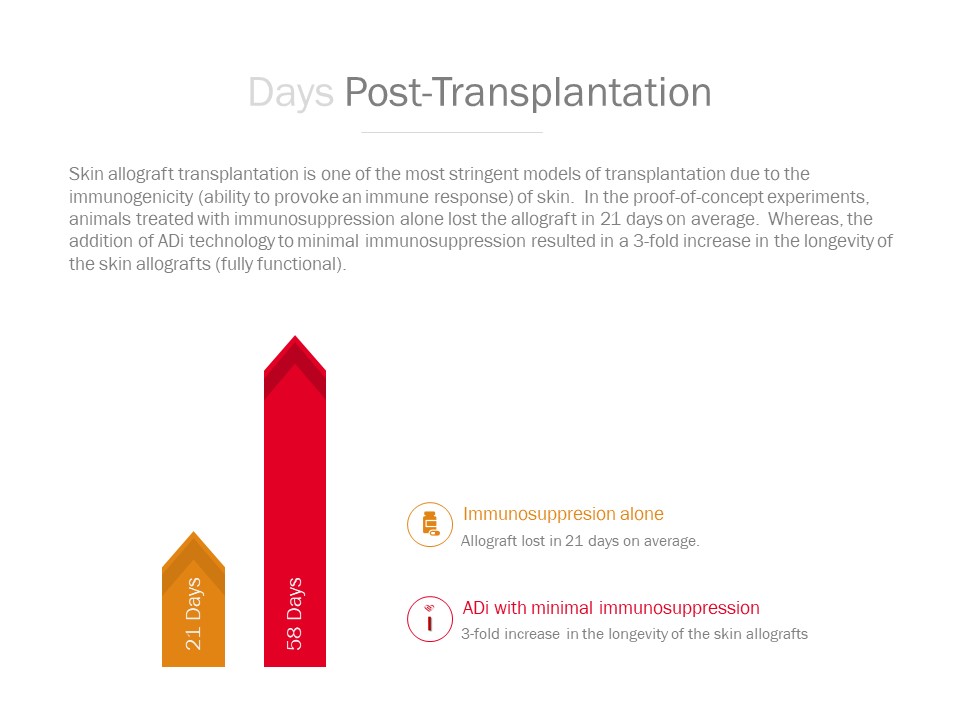
We have an exclusive worldwide license for commercializing a nucleic acid-based technology named Apoptotic DNA Immunotherapy (ADi) which utilizes a novel approach that mimics the way our bodies naturally induce tolerance to our own tissues. While immune suppression requires continuous administration to prevent rejection of a transplanted organ, induction of tolerance has the potential to retrain the immune system to accept the organ for longer periods of time. Thus, ADi may allow patients to live with transplanted organs with significantly reduced dependence on immune suppression.ADi is a technology platform which we believe can be engineered to address a wide variety of indications. We are initially focusing on skin allotransplantation, a setting in which ADi treatment has demonstrated significantly improved survival of transplanted skin grafts in animal models.
A NEW APPROACH
The discovery of immunosuppressants (anti-rejection drugs), such as cyclosporine, has allowed survival of transplanted organs by preventing acute or early rejection. However, immunosuppressants fail to prevent the chronic or long-term rejection that occurs years after the initial transplant. About 40% of transplanted organs survive for no more than 5 years1. Furthermore, immune suppression leads to significant undesirable side effects such as increased susceptibility to life-threatening infections and cancers because it is not specifically targeted towards the transplanted organs; rather, it indiscriminately and broadly suppresses immune function throughout the body.
New, focused therapeutic approaches are needed that modulate only the small portion of immune cells that are involved in rejection of the transplanted organ, as this will be safer for patients than indiscriminate immune suppression. These approaches are referred to as immune tolerance. Therapeutically induced immune tolerance may not only be safer for patients, they could also potentially allow long-term survival of transplanted tissues and organs.
In the late 1990s, academic research was being conducted at the Transplant Center in Loma Linda University (LLU), for a project that secured initial funding through grants from the Department of Defense (DOD), which was funding projects with high probabilities of commercialization and potential benefit to the DOD. The direct benefit in this case was for skin grafting for burn victims. Twenty years of research at LLU and an affiliated incubator led to a series of discoveries that have been translated into a large patent portfolio that may be applied to the modulation of the immune system to induce tolerance to self and transplanted organs – tolerogenic immunotherapy.
We have an exclusive worldwide license for commercializing this nucleic acid-based technology called Apoptotic DNA Immunotherapy (ADi) which utilizes a novel approach that mimics the way our bodies naturally induce tolerance to our own tissues.
While immune suppression requires continuous administration to prevent acute or early rejection of transplanted organs, induction of tolerance has the potential to retrain the immune system to accept the organ for longer periods of time. Thus, ADi may allow patients to live with transplanted organs with significantly reduced dependence on immune suppression.




 PROSPECTUS
Step 1
Watch the Video, Review the Prospectus and Click "Invest Now"
If you need assistance please call to speak with a representative at Network 1 Financial Securities.
800-886-7007
Step 2
Register to Participate and Open Account to Buy Shares
By opening an account with Network 1 you will be able to purchase shares and be up to date on the orders status, and keep track of the orders you have previously made.